Source Portable Cordless Electric Kebab Slicer for Retail
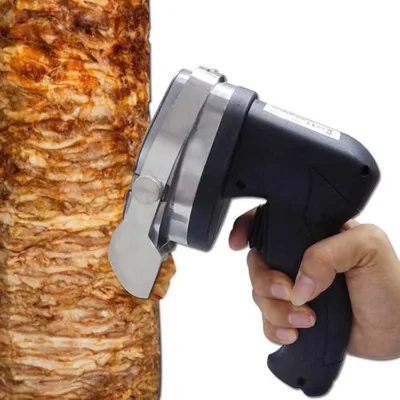
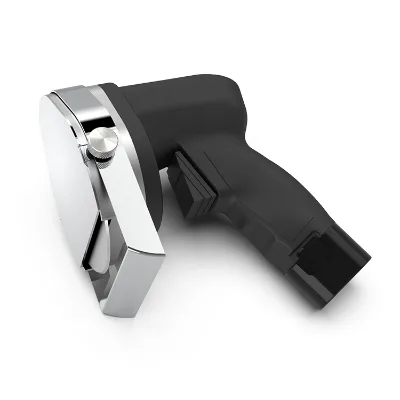
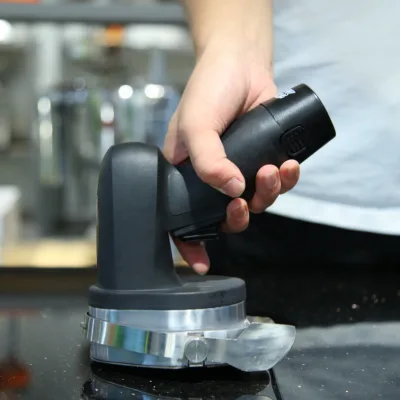
Find 30 portable cordless electric kebab slicer options from Chinese manufacturers. Compare models like KS100E with CE certification, varying power sources, and slice thicknesses to find the right fit for your supermarket or retail needs; compare the available evidence and request quotations based on your requirements.
Key considerations
Products List


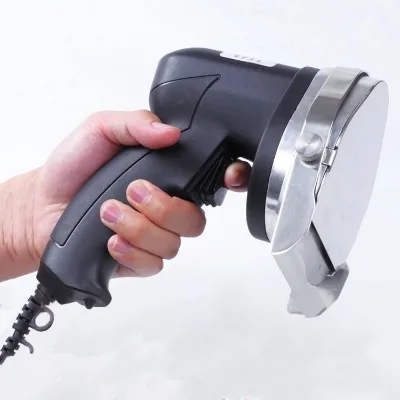

$120.00 - $130.00
Moq: 1


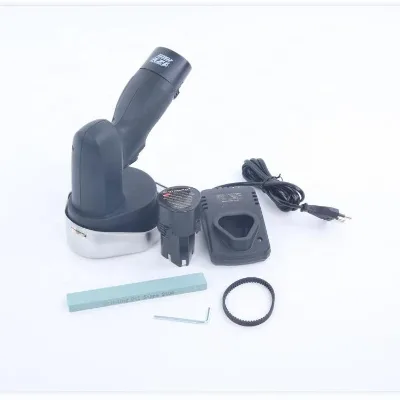
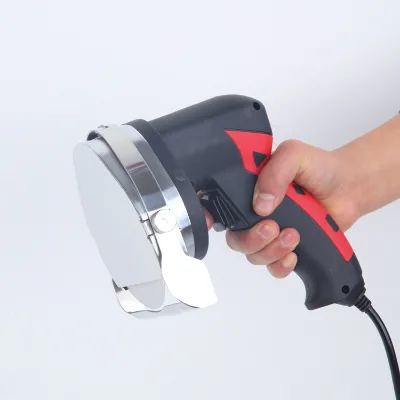
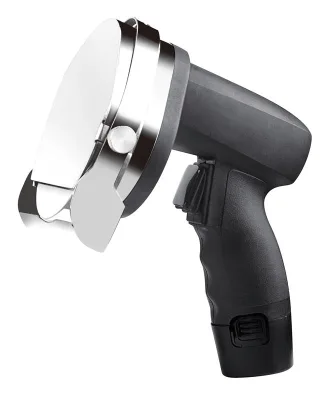




Comprehensive Sourcing Guide
Portable Cordless Electric Kebab Slicer Sourcing Guide
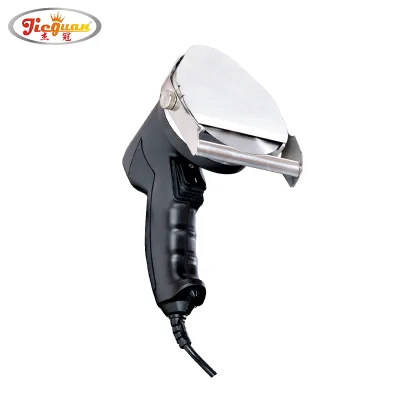
Procurement teams evaluating portable cordless electric kebab slicers must first distinguish between the observed listing signals and actual product capabilities. While the core keyword suggests cordless operation, the supplied data indicates a significant portion of available units are plug-in models with electric power sources and specific voltage requirements like 110-240V or 220V. Buyers should verify if the "cordless" attribute refers to battery integration or simply a compact, mobile design, as many listed items explicitly state an electric power source without confirming battery autonomy.
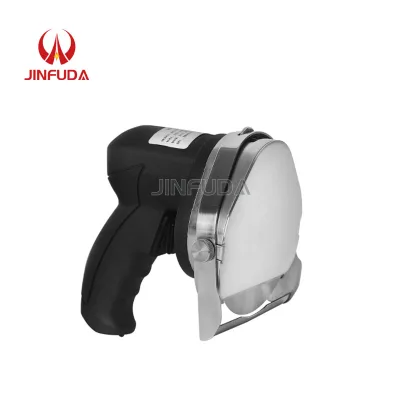
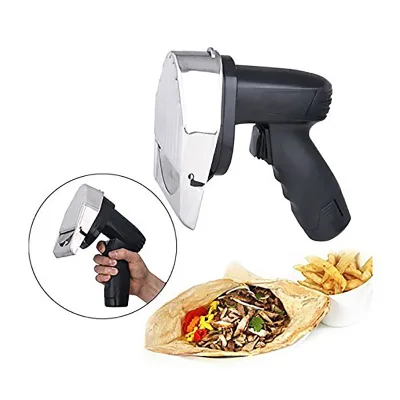
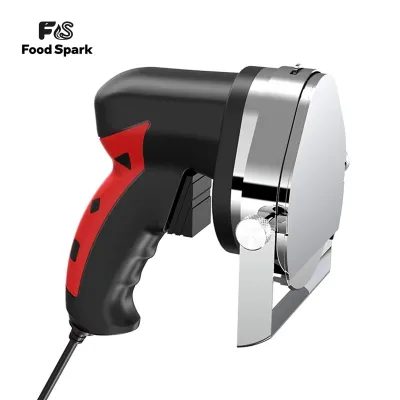
The observed product range includes specific models such as KS100E, KS100T, and KS100C, which are primarily designed for meat cutting in supermarket or commercial settings. These units often feature a blade diameter of 100mm and a slice thickness adjustable between 0mm and 8mm, catering to diverse kebab preparation needs. Sourcing decisions should prioritize understanding whether the specific listing supports the intended workflow, as some items are described as disposable or single-use, while others are durable commercial appliances with a 15-hour working time capacity.
Product Scope and Observed Listing Signals
Buyers must carefully analyze the discrepancy between the "cordless" search intent and the "plug-in" reality found in many listings. The data reveals that while some products are marketed as portable, they often rely on standard electrical outlets with voltages ranging from 110V to 240V. This distinction is critical for procurement in locations with unstable power grids or for mobile vendors who require true battery-operated solutions, as the majority of observed units appear to be stationary or semi-automatic electric devices rather than fully wireless systems.
The product scope also varies significantly regarding customization and material composition, with options ranging from PP plastic and stainless steel combinations to all-stainless steel constructions. Some listings offer customized features, while others are strictly non-customized standard items. Procurement teams should verify the specific material grade and customization availability for each supplier, as the presence of a "customized" attribute in one listing does not guarantee that all models in the category offer the same level of personalization or material durability.
Technical Specifications to Verify
Technical verification must begin with the motor power and slice capacity, as observed data shows a wide variance from 50-60Hz motor frequencies to specific 80W power ratings. Buyers should confirm the actual slice capacity, which is listed as 60kg/hour for some units, to ensure it meets the throughput requirements of their specific operation. Relying on general specifications without validating the motor's actual performance under load can lead to operational bottlenecks, especially when the device is expected to handle continuous meat cutting tasks.
Dimensional and weight specifications are equally critical for logistics and storage planning, with observed dimensions ranging from 23x18x26.5cm to 58.5x48.5x23cm and weights between 1.5kg and 2kg. The blade disc configuration, often supplied as two standard discs with smooth or serrated options, must be matched to the specific type of kebab meat being processed. Procurement teams should request detailed dimension sheets and weight certificates to ensure the equipment fits within their designated workspace and can be safely transported without exceeding load limits.
Compliance and Safety Documentation
Safety compliance is a primary concern, with observed certifications including CE, CB, LFGB, and ISO9001, though not every listed product carries the full suite of these marks. Buyers must verify that the specific unit they intend to purchase holds the necessary certifications for their target market, as the presence of a CE mark on one model does not automatically extend to all variations from the same supplier. Documentation should explicitly confirm that the electrical components meet the safety standards required for food processing equipment in the destination country.
Food safety standards are further validated by materials like stainless steel and PP plastic, which are often cited in the product descriptions. However, the presence of a "disposable" feature in some listings suggests a potential confusion between single-use components and the main unit itself. Procurement teams should demand test reports confirming that all food-contact surfaces are non-toxic and durable, ensuring that the equipment complies with local health regulations regarding hygiene and material safety for commercial food preparation environments.
Cost Drivers and Commercial Terms
Cost structures are heavily influenced by the observed price range of 40.9 to 368 USD, which reflects differences in motor power, material quality, and certification levels. Buyers should understand that lower-priced units may lack advanced features like timing devices or robust stainless steel construction, while higher-priced models often include comprehensive warranties and higher slice capacities. It is essential to correlate the unit price with the specific technical specifications to avoid overpaying for features that are not required or underpaying for critical durability components.
Commercial terms such as MOQ and supply ability also play a pivotal role in the total cost of ownership, with observed MOQs ranging from 1 piece to 100 pieces and supply abilities up to 35,000 pieces per month. Procurement teams must negotiate based on these thresholds, as ordering below the MOQ might incur higher per-unit costs or require special handling fees. Additionally, the packaging details, which vary from color boxes to wooden crates, should be factored into the logistics budget to ensure safe transport and minimize damage during shipping.
Supplier Qualification and Quality Control
Supplier qualification requires a rigorous check of the place of origin, as observed data points to manufacturers in Guangdong and Zhejiang, China. Buyers should verify the specific factory location and production capacity to ensure the supplier can consistently meet demand without compromising quality. The presence of a 1-year warranty on some units indicates a baseline level of confidence in product durability, but this should be cross-referenced with the supplier's track record and their ability to provide after-sales support for repairs or replacements.
Quality control processes must be validated through the supplier's adherence to standards like ISO9001 and their internal testing protocols. Since the observed data includes both new and potentially refurbished or different condition items, buyers should request evidence of the "new" condition claim for each unit. Implementing a pre-shipment inspection is advisable to verify that the blade diameter, slice thickness, and overall dimensions match the agreed specifications, ensuring that the delivered goods meet the operational requirements of the buyer's business.
Long-Term Procurement Checks
Long-term procurement success depends on monitoring the supplier's ability to maintain consistent quality over time, particularly regarding the working time and motor performance. Buyers should establish a schedule for periodic performance reviews to ensure that the slicers continue to operate at the specified 15-hour working time and maintain the 60kg/hour slice capacity without degradation. Regular audits of the supplier's production lines can help identify potential issues before they impact the supply chain or product reliability.
Finally, buyers must plan for the lifecycle management of the equipment, including the availability of spare parts like blade discs and the longevity of the warranty coverage. The observed data suggests a variety of packing and dispatch ports, such as Ningbo or Shanghai, which can affect lead times and shipping costs over the long term. Establishing a clear communication channel with the supplier for parts replacement and technical support is essential to minimize downtime and ensure the continued efficiency of the kebab slicing operations.
FAQs
What certifications do these portable cordless electric kebab slicers carry?
Listed models carry CE certification, with some offerings also showing CB and LFGB certificates or ISO9001 quality system documentation. Certification can vary by model, so confirm the exact certificate set for the KS100E, KS100T, or KS100C variant you plan to order before confirming shipment.
How thick can the kebab slicer cut meat slices?
The slice thickness is adjustable from 0mm to 8mm, letting you switch between thin shawarma-style cuts and thicker portions. Blade discs are available in smooth or serrated options, and units typically include 2 standard blade discs so you can change the cutting finish as needed.
Which blade disc options are available for this kebab slicer?
You can choose between smooth and serrated blade discs. Smooth discs produce clean, even slices suitable for doner and kebab service, while serrated discs handle tougher textures. Models generally ship with 2 standard blade discs included, and the 100mm blade diameter suits compact countertop and portable use.
Can the slicer be customized before ordering?
Yes, customization is available on listed models, though some catalog entries are marked non-customized. Typical customization requests cover color, branding, and packaging preferences. Because listings differ, confirm with the supplier which customization options apply to the specific model, MOQ, and price you intend to order.
What power and capacity specifications should buyers expect?
Listed units run on electric power with ratings around 80W and 110-240V or 220V at 50-60Hz, and slicing capacity is about 60kg per hour. Working time can reach 15 hours. Always verify the voltage and plug type match your market before placing a bulk order.
How is the kebab slicer packed for shipping?
Packing varies by listing: common options include a color box or inside color box with an outside wooden box, plus carton packing for some models. Units are sold as single items. Confirm packing details, box dimensions such as 23x18x26.5cm, and any extra export packaging costs with your supplier.
What is the typical MOQ and warranty for these slicers?
Listed MOQ starts at 1 piece, which suits sample testing and small trial orders before scaling up. Warranty coverage is commonly listed as 1 year. Since individual product pages differ, verify the exact MOQ tier, warranty terms, and after-sales support applicable to your chosen model and order volume.
Where are these kebab slicers manufactured and dispatched from?
Listings show origins in Guangdong and Zhejiang, China, with dispatch via the ports of Ningbo or Shanghai. Supply capacity on one listing reaches 35,000 pieces per month, supporting bulk programs. Confirm the exact origin, port, and production schedule for your model when negotiating lead times and shipment terms.